The pitch from XLGAMES is that ArcheAge Chronicles "transcends traditional MMORPG mechanics" with action combat: you jump, fall, roll, dash, block and parry, and the fight is won in those windows rather than in a rotation. That is marketing language, but the demo made the practical version clear. If you stand in front of a boss and trade hits, you lose. If you learn two tells and stop pressing buttons for half a second, you win with the same gear.
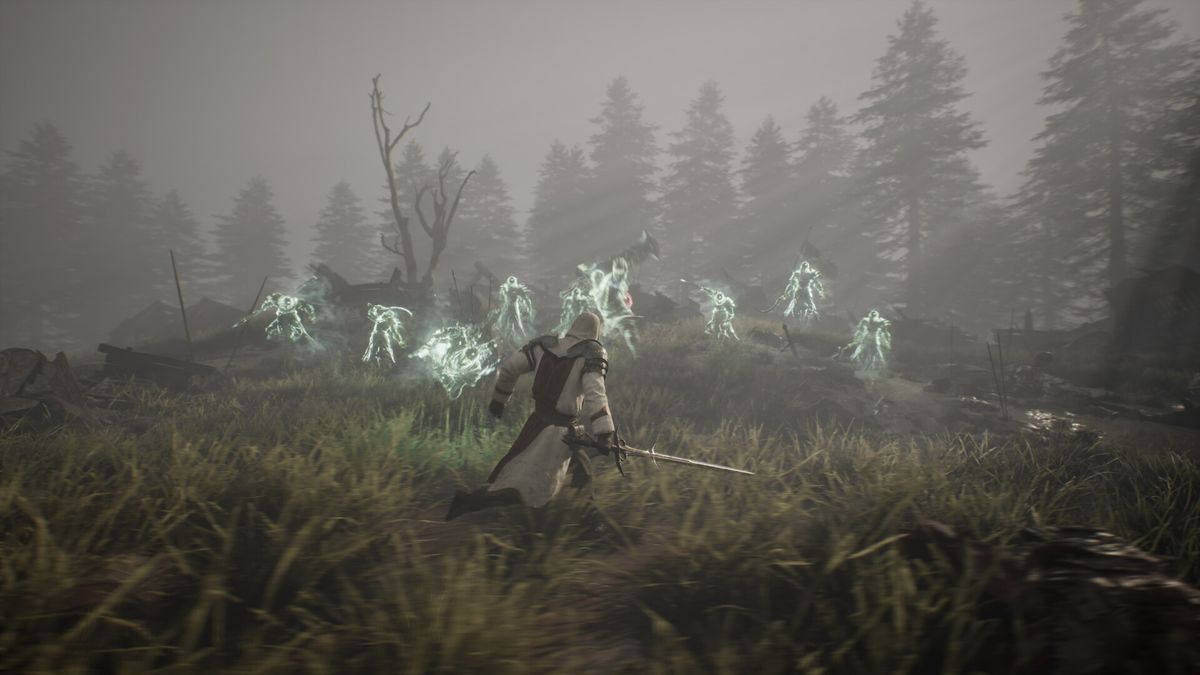
The four defensive options
Every class has access to the same defensive vocabulary, but the weapon decides how good each option is. The Longsword Warrior, for example, is built around turning a block into a counter, while a Greatsword commit is much more about landing a big swing before the boss swings back.
| Option | What it does | Best against | What it costs |
|---|---|---|---|
| Block | Holds a guard, absorbs damage from the front | Multi-hit chains, sustained pressure | Movement, and stamina while held |
| Parry | Tight window, deflects the attack and opens a counter | Single heavy telegraphed swings | Timing; a miss is a full hit |
| Dodge roll | Moves you out of the hitbox entirely | Area sweeps, ground effects, grabs | Stamina, and the roll's recovery |
| Dash | Short reposition without the roll commitment | Repositioning between combos | Stamina, no invulnerability |
Two details matter more than the table. First, blocking is directional: attacks from behind and area effects that spawn under you are not solved by holding guard. Second, a parry is not a block. The window is short, and the reward is the counter-attack, not the damage prevented.
Parrying projectiles
The PvP footage XLGAMES showed during the demo included a Ranger firing at a Warrior who parried the arrows and reflected them back. It is the clearest demonstration of what the parry window is for: not surviving ranged pressure, but turning it around.
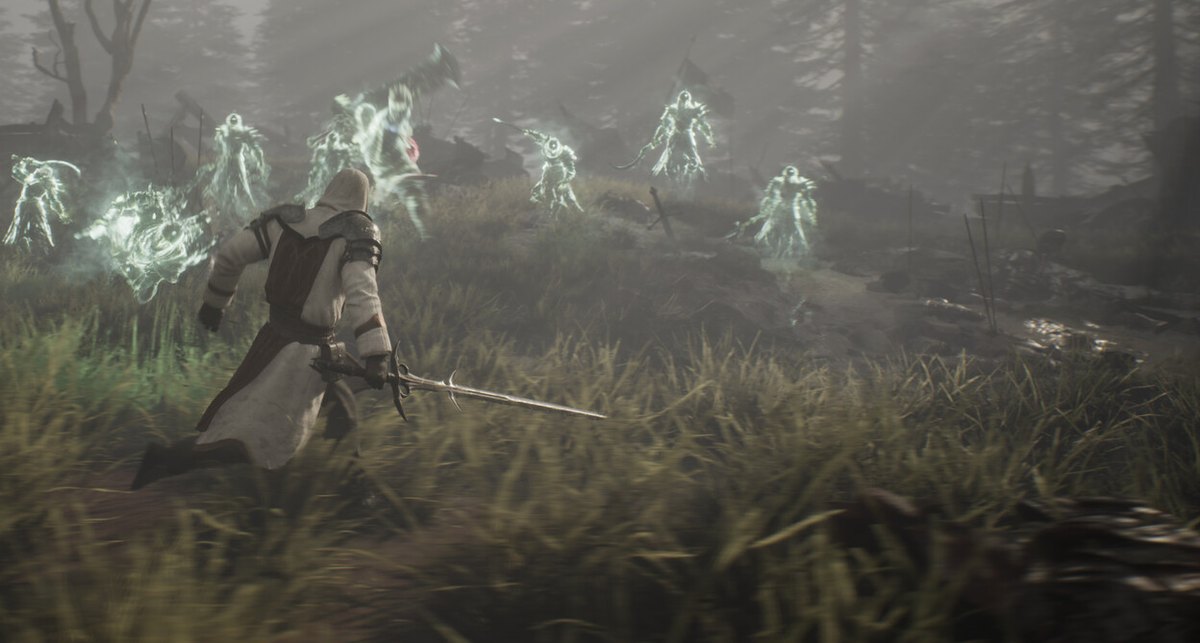
Stamina is the real health bar
Actions cost stamina, and stamina does not refill while you are attacking. That produces the core pressure of every fight: the boss's combo forces you to spend stamina, and the moment you are empty is the moment you cannot roll out of the next mechanic.
Practical habits that fix this:
- Do not roll twice for one mechanic. One clean roll beats two panic rolls that leave you empty.
- Walk out of the small stuff. If an attack will not kill you, eating it and keeping stamina is often correct.
- Attack in the gap after the combo, not during it. The pattern is almost always three or four attacks, then a pause.
- Back off to regen before you commit to a long animation. Heavy weapons are the worst offenders here: a Greatsword swing you cannot cancel is a two-second invitation.
Animation commitment and weapon identity
Weapon choice changes how much of the fight you spend locked into an animation. Longsword and Hatchet keep you mobile and let you weave defence between hits. Greatsword, Warhammer and the heavier Mage casts ask you to pick a window and accept that you cannot leave it early. If you are dying to "I pressed dodge and nothing happened", you were still in recovery frames.
This is also why two players with the same weapon can fight completely differently once traits come in. The Greatsword damage branch turns sunder into Sweeping Slash, a two-hit swing with a wider arc, which is great against packs and terrible against a boss that punishes wide commitments. The defensive branch adds Pummel Strike, an attack you can use while guarding that also grants a shield, which is exactly what you want when you are still learning a fight.
Reading a boss for the first time
The first pull is information, not damage. Spend it on three questions:
- Which attack has the longest wind-up? That is usually the one you should parry, because the window is generous.
- Which attack ignores your guard? Usually a grab or a ground slam. That is the one you roll.
- Where does the combo end? The pause after the last hit is your damage window. Everything before it is survival.
Field bosses are the best classroom for this because they roam the open world and hit far harder than the monsters around them. If a field boss is farming you, you are not under-geared as much as you are under-reading it.
PvP is the same language with a human on the other end
In PvP channels every player outside your party and guild can attack you, and the rules that keep you alive are the ones above, plus two more. Players feint: a Ranger who draws a bow and cancels is baiting your parry. And players punish commitment harder than any boss AI, because they know exactly how long your heavy swing takes.
Keep a ranged option in mind even on a melee class. Closing distance is a defensive act in PvP, and a player who cannot force you to approach has to come to you.
What to practise in your first session
- Kill ten normal monsters without taking a hit by using block and one dodge, not by out-damaging them.
- Fight one field boss and deliberately lose the first pull while watching its combo.
- Run one dungeon boss with the intent to parry its biggest swing once.
- Then go spend the trait points you earned, because the tools you unlock change which of these options is strongest for your weapon.